Monarch butterfly
Danaus plexippus
Monarch caterpillars feed on milkweed, while adults obtain nectar from flowers.
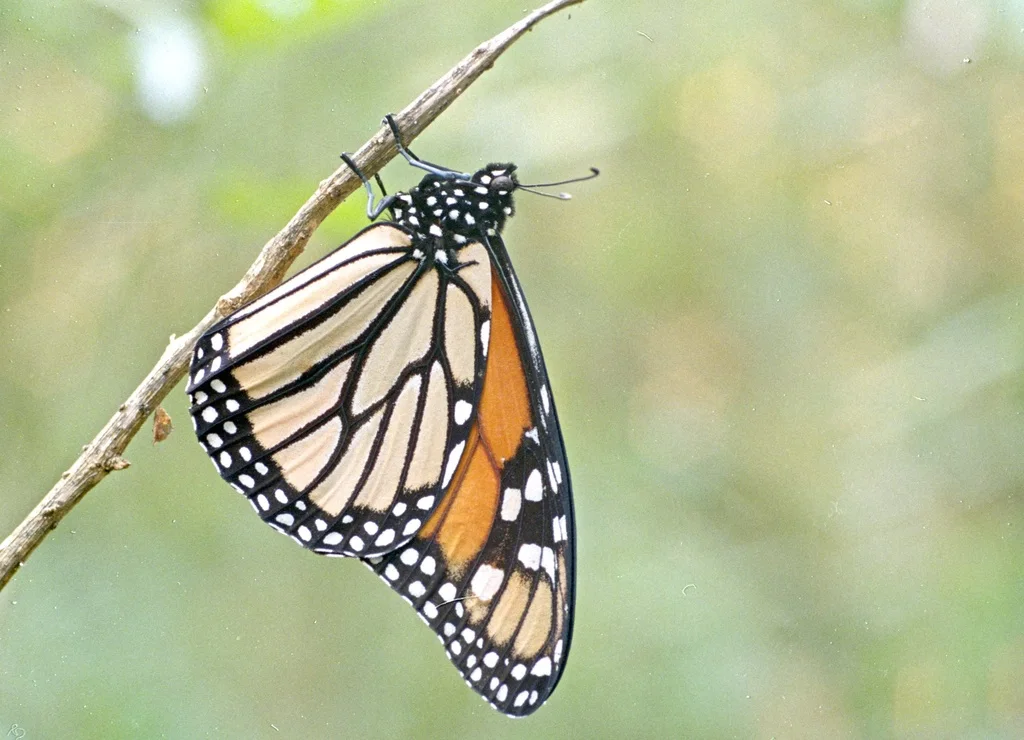
A closer look.
Orange wings crossed by dark veins make the monarch one of the most recognisable butterflies. Its life links two different food resources: caterpillars need milkweed, while adults visit flowers for nectar. Some North American populations make long seasonal migrations, but not every population migrates. Eastern migrants gather in mountain forests in Mexico for winter, while western migrants use coastal groves. These resting sites explain its place in the forest and mountain collections here. The species shows why a habitat needed for one life stage or season may differ from another.
Conservation status
Least Concern (LC)Assessed below the thresholds for Near Threatened or a threatened category.
View assessment source (opens in a new tab)This is the status reported by the cited source. Assessments can change, and regional populations may have a different status. The check date is not the assessment date.
What do these statuses mean?
- Least Concern (LC) — Assessed below the thresholds for Near Threatened or a threatened category.
- Near Threatened (NT) — Close to qualifying for a threatened category.
- Vulnerable (VU) — A high risk of extinction in the wild.
- Endangered (EN) — A very high risk of extinction in the wild.
- Critically Endangered (CR) — An extremely high risk of extinction in the wild.
- Extinct in the Wild (EW) — Survives only in captivity, cultivation or populations outside its former range.
- Extinct (EX) — No reasonable doubt remains that the last individual has died.
- Data Deficient (DD) — Available evidence is insufficient to assess extinction risk.
- Not Evaluated (NE) — Not yet assessed against the IUCN criteria.
Colours are a simplified Nature Explorer guide. The category label and assessment scope carry the meaning. About the IUCN Red List.
Explore its wider world
Scientific sources
Another perspective.
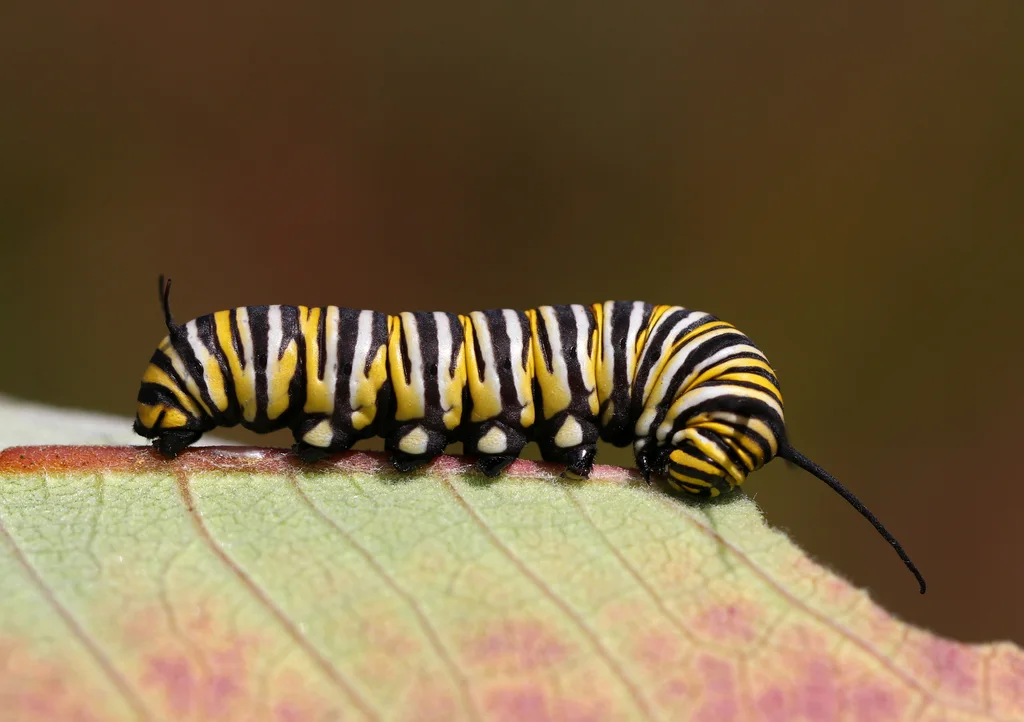
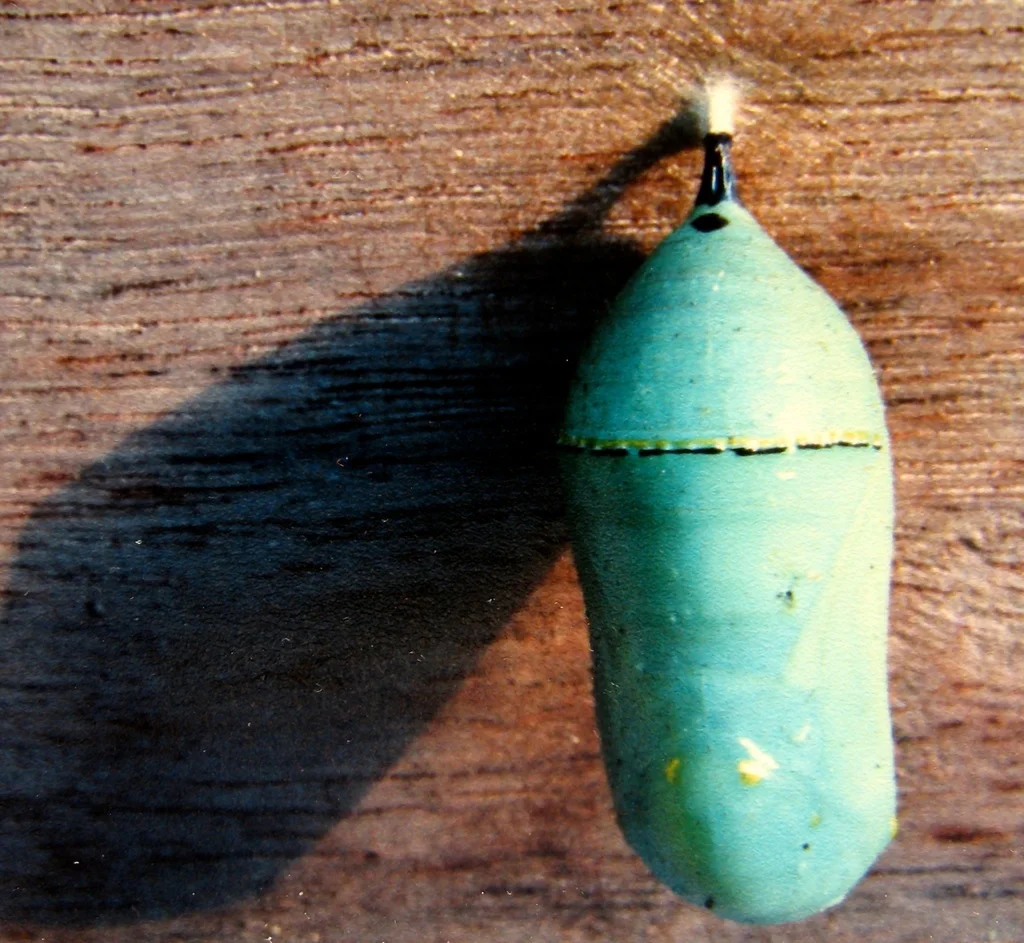
A record of its presence.
Discover where people have documented this species.
Put discovery on the map.
Load the map to request GBIF basemap tiles and public biodiversity records.
Map data represents recorded observations and occurrences, not necessarily the complete natural range of a species. Sensitive or obscured coordinates are excluded from individual markers.